Can you water your yard with graywater where you live
A graywater irrigation system sends laundry water directly to your yard to reduce household water use. Learn the rules for California, Texas and Arizona.
- Written and checked byCordelia Hudspeth
- 6 minutes to read it all
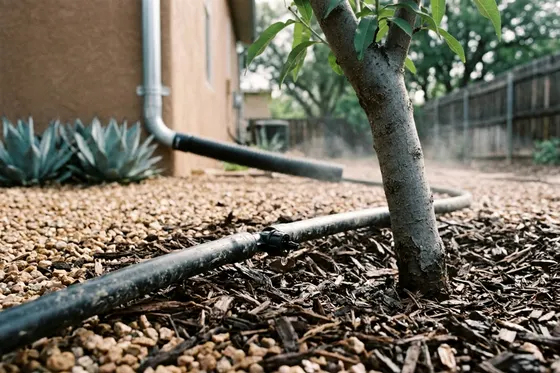
Running a graywater irrigation system cuts down on the gallons of municipal water you pay for each month. Some states let you water your yard with laundry runoff if you follow specific limits. California, Texas and Arizona let households reuse clothes washer water for landscaping under certain conditions. A laundry to landscape setup lowers your utility water demand and keeps trees and shrubs hydrated.
What qualifies as graywater in a home
Graywater is gently used water from bathroom sinks, showers, tubs and washing machines. It generally leaves out water from kitchen sinks and toilets, though the exact definition varies by state. State rules separate this reusable wash water from heavily soiled blackwater so households can direct it outside to irrigate their landscaping.
Shower and sink drains usually need plumbing changes, but a washing machine has a drain hose you can reach. A laundry to landscape system captures only the wash and rinse water leaving the washer and routes that single source out to the yard.
Certain wash loads still cross the line into blackwater. In Texas, the state excludes water from washing diapers or anything that touched toilet waste from graywater. You must send those specific loads down the standard sewer line to keep human waste entirely out of your yard.
How a laundry to landscape system waters your yard
A basic laundry to landscape setup redirects your washing machine drain hose to an irrigation line outside. The clothes washer uses its internal pump to push the outgoing water through the pipe and out to the yard. You route a pipe from the laundry room, through an exterior wall, and out to the planting areas.
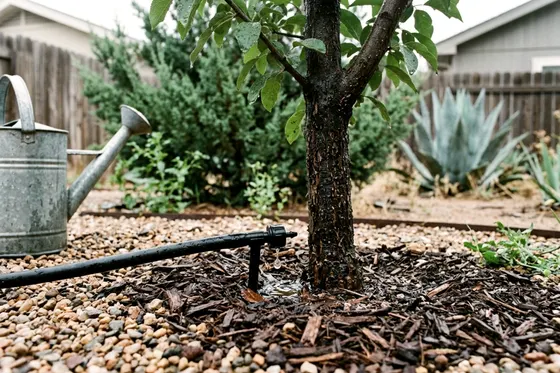
The water flows into mulch basins positioned around trees, shrubs or large perennials. A mulch basin is a shallow trench dug near a plant's root zone and filled with coarse wood chips. The wood chips catch the water and let it soak slowly into the surrounding soil. This stops water from pooling on the surface.
Inside the house, you install a manual three-way diverter valve on the washing machine drain. The valve lets you switch the flow back to the regular sewer line when you wash heavily soiled loads. Sending the water outside saves fresh municipal water you would otherwise run through a garden hose.
California rules for a permit-free washer system
In California, the plumbing code's graywater chapter lets a clothes washer system skip the construction permit if it has no potable water connection and no pump other than the washer's own, according to guidance from the East Bay Municipal Utility District. The washer's own pump does the pushing, so the system needs no extra pump and no potable water connection.
California's code requires washer graywater released above ground to sit under at least 2 inches of mulch, rock or soil or a solid shield, and it prohibits ponding or runoff. Covering the water also limits contact with people and pets, which California's code lists as a design goal.
California's State Water Board says untreated graywater systems used only for subsurface irrigation fall under the California Plumbing Code, Title 24, Part 5, Chapter 15. The state water board tells residents to confirm laundry to landscape rules with their local building permitting authority. Your local building department can confirm that your setup meets the exemption.
Texas rules for systems under 400 gallons a day
In Texas, TCEQ guidance says a household using under 400 gallons of graywater a day and following the state rule does not need TCEQ authorization. Check your household's daily graywater volume against that cap. If you stay under it and follow the state rule, you need no TCEQ authorization, though local permitting authorities may have stricter requirements.
Texas requires that the system not allow ponding, pooling or runoff. You must size your mulch trenches so they absorb the entire volume of a wash cycle. If the ground stays muddy or water spills out across the grass, you may need a wider basin or a switch back to the sewer.
Our guide to watering garden beds and shrubs can help you estimate the space you need. Match the number and size of your basins to the plants you want to water.
Arizona rules on food plants and drip irrigation
Arizona allows residential reuse under specific application limits to control where the moisture goes. Arizona's Department of Environmental Quality says gray water under its general permit must stay below 400 gallons a day and may be applied only by flood or drip irrigation, because spraying gray water is prohibited.
You can pipe the water directly into a mulch basin for flood application. You can also run tubing if you want to lay out a drip irrigation system across the yard. You cannot attach standard lawn sprinklers, because spraying gray water is prohibited.
State | Daily volume limit | Application method limits |
|---|---|---|
Texas | Under 400 gallons a day | Must not allow ponding, pooling or runoff |
Arizona | Below 400 gallons a day | Flood or drip irrigation only, and spraying is prohibited |
Arizona also restricts which plants can receive the water. Arizona's gray water rule, effective January 1, 2018, bars surface gray water on food plants except trees and shrubs whose edible part does not touch the water. You can direct surface gray water to a citrus or nut tree, or another tree or shrub whose edible part does not touch the water, but not to a vegetable patch.
Adjusting your laundry habits to protect the soil
Sending washing machine water to the yard means the laundry products you buy end up in your soil. Soaps, salts and other chemicals in laundry water can harm some plants. You protect your landscaping by adjusting your wash habits to fit the outdoor conditions.
Check the detergent label and your state's guidance for products suited to graywater use. Keep hazardous chemicals out of the washer water, and send loads with heavy chemical cleaners to the sewer.
When you need to wash heavily soiled clothes or run a load with harsh cleaning agents, you rely on your indoor diverter valve. Turn the valve handle to send that specific wash water down the standard sewer drain. This protects the root zones and helps you stay within your state's rules.
Spreading your wash loads through the week gives the mulch basins time to drain between cycles. Doing all your household laundry on a single Saturday morning can overwhelm the trenches and cause the exact pooling your state code prohibits.
Checking your own state and city codes first
If you live outside California, Texas or Arizona, check with your state and city first before you start a project. Graywater rules vary heavily by state, and an acceptable setup in one location might violate the plumbing code in another.
Check with your state environmental or water department to see if they offer a general permit or a specific residential exemption. Then contact your city or county building department to confirm their local code. Some local governments add limits that go beyond the state baseline.
Starting with your local building department helps you avoid costly mistakes and design a yard setup that meets the code.
More to check around the house
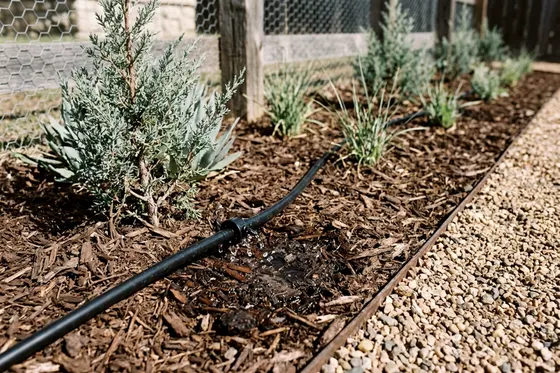
How to make a thirsty yard drought tolerant one bed at a time
Replacing one flower bed at a time to build drought tolerance saves water and can trim your monthly utility bill without digging up your entire yard.
7 minutes to read it all

How often to water garden beds, shrubs and new trees
Knowing exactly how often to water can save water and keep plants healthy. Learn the watering schedules for new trees, shrubs and garden beds by plant type.
6 minutes to read it all
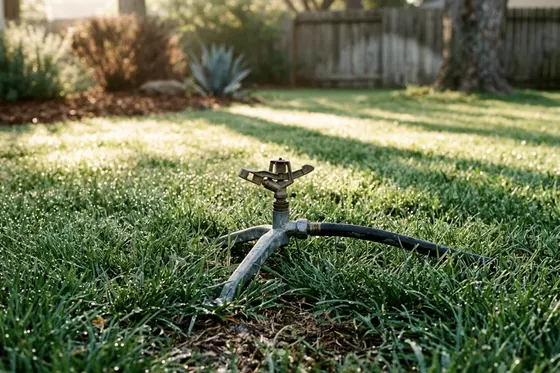
The best time to water your lawn and how long to run it
Find the best time to water lawn grass to lower your water bill. Learn how to test your soil, measure sprinkler output and set proper run times.
6 minutes to read it all