8 water conservation fixes ranked by the gallons they save
Finding the best water conservation fixes means looking at the numbers. These eight household upgrades and repairs rank by the gallons they save each year.
- Written and checked byHarlan Clevenger
- 5 minutes to read it all
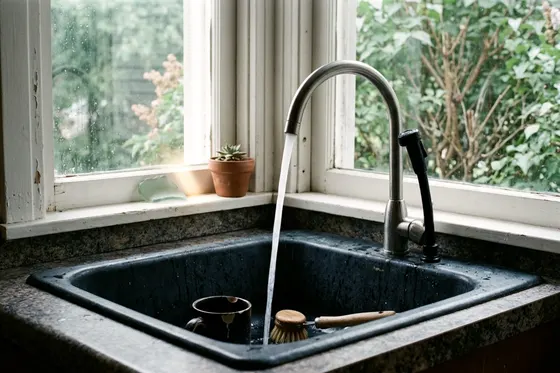
Finding the most effective water conservation fixes comes down to the numbers. Upgrading old fixtures and stopping steady drips can lower your monthly usage. These eight projects rank from the largest potential savings down to the smallest. Taking on the biggest culprits first lowers the utility bill with the least amount of effort.
1. Tune up a sprinkler system that runs too long or leaks
An automatic sprinkler system that is not properly maintained and operated can waste up to 25,000 gallons of water a year, WaterSense says. Broken sprinkler heads spray water onto sidewalks and driveways instead of the grass. A cracked underground line can leak water into the dirt. Running the system during a rainstorm adds to the waste.
Checking the spray heads takes a few minutes of watching the zones run. Adjust the timer so the system waters during the cool morning hours to reduce evaporation. Cap off any heads that water bare mulch beds or mature shrubs that no longer need supplemental moisture. Learning how long to run it keeps the grass green without wasting municipal water.
2. Replace an older toilet with a WaterSense labeled model
WaterSense says labeled toilets can save the average family 13,000 gallons of water and $130 in water costs a year. Older models flush excess water down the drain every time the handle goes down. A certified replacement uses less water per flush.
Swapping a toilet takes an afternoon and basic hand tools. You will need a new wax ring to seal the porcelain base to the floor flange. Shut off the wall supply valve before loosening the floor bolts on the old unit. Keep a sponge and a bucket handy to clear the remaining water out of the old tank before lifting it.
3. Run a full dishwasher instead of washing dishes by hand
Energy Star says a certified dishwasher saves 8,400 gallons of water a year compared with washing dishes by hand. Hand washing can mean running the kitchen tap continuously to rinse soap off plates and cups. Some certified machines have a soil sensor that detects whether the water coming off the dishes is dirty or clean, which can save water.
Running the appliance only when it is completely full maximizes the efficiency. Scraping leftover food off the plates skips the need for a heavy pre-rinse in the sink. Leaving the heated dry cycle off saves electricity alongside the water reduction. Understanding how certified appliances save money helps justify the initial purchase price.
4. Fix a faucet that drips day and night
A faucet dripping at one drip per second can waste more than 3,000 gallons a year, according to WaterSense. Worn washers and gaskets frequently cause this constant dripping, according to WaterSense. Replacing these small parts is often an inexpensive fix. Ignoring the drip wastes treated drinking water.
Turn off the supply valves under the sink before taking the handle apart. You can usually pry off the small decorative cap to find the set screw. Bring the old cartridge or stem to the store to match the exact size and brand.
5. Fit a WaterSense labeled showerhead
WaterSense labeled showerheads can save the average family more than 2,700 gallons of water a year. Some models include a pause button on the handle to stop the flow while you lather soap.
Changing a showerhead needs only an adjustable wrench. Wrap the pipe threads with fresh plumber tape to prevent leaks behind the new fixture. Tighten the connection by hand before giving it a final quarter turn with the tool. Point the spray away from the shower door to test for leaks around the new fitting.
6. Wash full loads in an Energy Star clothes washer
Energy Star says full size certified clothes washers use about 14 gallons of water per load compared with 20 for a standard machine, and the average American family washes about 300 loads a year. Energy Star suggests a high spin speed to shorten drying time.
Wait until the laundry basket is entirely full before running a cycle. Using cold water saves the power needed to heat the tank. Leaving the door open after a wash lets the drum dry out and can help prevent mildew smells.
7. Add WaterSense aerators to bathroom faucets
Replacing old faucets and aerators with WaterSense labeled models can save the average family 700 gallons of water a year. Aerators twist onto the end of the spout, and WaterSense says labeled ones can be added to existing faucets. WaterSense also sets a minimum flow so sinks stay satisfying in homes with low water pressure.
Most bathroom sinks already have aerators you can unscrew and inspect. If the metal screen looks crusty with hard water mineral buildup, twist on a new labeled replacement. Wrap a rag around the metal before using pliers to avoid scratching the polished finish. Hand tighten the new part to keep the rubber gasket perfectly flat.
8. Stop a showerhead that drips after it is turned off
WaterSense says a showerhead leaking at 10 drips per minute wastes more than 500 gallons a year. A drip from the nozzles can come from a loose connection at the pipe stem or from a failing valve behind the wall handle. EPA says some leaky showerheads can be fixed by tightening the connection, and it suggests calling a professional for shower valve leaks.
If the valve is the cause, ask a licensed plumber to repair it, since EPA calls these more complicated leaks. Confirm with the plumber that the drip has stopped after the repair.
How to see the savings on your water bill
Compare your usage month by month to see the effect of these upgrades. Most utility statements list the total household consumption in thousands of gallons or in cubic feet. Tracking this number during the winter months can give a rough indoor baseline with less outdoor watering in the total.
Look at the daily average graph if your water provider includes one. A sudden spike in usage can point to a leak on the property. Learning to find an underground water leak helps catch broken supply lines early. Checking the mechanical dial on your water meter confirms that all the new fixtures stop water flow entirely when closed.
More to check around the house
5 places an outdoor spigot leaks and how to fix each one
Find exactly where your leaking garden spigot wastes water and fix the specific worn washer, loose nut or broken pipe causing the problem.
6 minutes to read it all

How to find a water leak underground with your meter
Learn how to find a water leak underground with your meter to save money on utility bills and stop yard damage before the problem requires major pipe repair.
7 minutes to read it all
Do water leak detectors earn their price
Find out if a water leak detection device pays for itself by catching drips early before they damage your home and run up your water bill.
6 minutes to read it all