How to make a thirsty yard drought tolerant one bed at a time
Replacing one flower bed at a time to build drought tolerance saves water and can trim your monthly utility bill without digging up your entire yard.
- Written and checked byCordelia Hudspeth
- 7 minutes to read it all
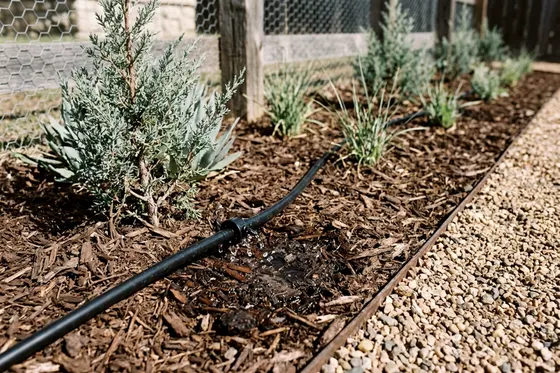
Replacing your thirstiest flower bed with drought tolerant plants can cut your summer water use and free up your weekends. Digging and mulching one bed sets up a garden that needs less sprinkler water once the plants are established. Converting just one area proves the concept works and keeps the project manageable.
Pick the thirstiest bed to fix first
Start with the section of your yard that drains your water budget the fastest. South-facing walls and bare slopes bake in the afternoon sun and demand constant watering. Beds built around shallow-rooted annuals also need frequent soaking just to survive August heat. Switching one problem area to drought tolerant plants can give you a big drop in your monthly water bill.
Walk your property to see where your sprinklers run the longest, such as a corner by the sidewalk where the soil always looks dusty.
That dry patch is your first conversion.
Taking on one bed at a time keeps the cost down and lets you test what grows well in your dirt. Dig out the plants that struggle without daily watering. You can move favorites to a shaded spot or give them away to a neighbor.
Pull up any plastic weed barriers buried in the dirt. Plastic sheets can block rain from reaching the soil, and bare dirt under mulch lets water in and gives new roots room to push downward.
Loosen the soil with a garden fork to help water soak in. Hard, compacted dirt makes rain run off before it can soak in, and loosening the top layer helps water penetrate. Adding a few shovels of compost helps sandy soil hold water and loosens heavy clay.
Mulch to the right depth before you plant
Bare soil loses moisture to the air all day long, and a layer of mulch slows that evaporation. Utah State University Extension says mulch around trees, shrubs and flower beds can give a ten fold reduction in evaporative water loss from soil.
Wood chips, shredded bark and pine needles break down over time to feed the earth. Utah State University Extension says to apply organic mulch to a depth of 3 to 4 inches for the best results. A thick layer of wood chips absorbs a light rain and holds the moisture close to the surface. You will need to add a fresh layer of new material as needed to replace what breaks down.
Gravel and crushed stone can suit plants that dislike damp soil. Utah State University Extension says to apply inorganic mulch to a depth of 2 to 3 inches. Inorganic materials do not break down the way wood chips do.
Spread your chosen material over the entire bed before you buy any plants. Piling wood chips over flat dirt takes a few minutes with a wide rake. Pushing mulch around fragile stems later takes an afternoon and often damages the lower leaves. Bulk materials from a local landscape yard may cost less than individual bags, so compare prices.
Leave a gap around every stem when you finally place the plants in the ground. Utah State University Extension says to leave a few inches of mulch free area around the base of woody plants. Wet material resting against a trunk can cause root collar disease and invite rodents.
Choose low water plants that suit your region
Plants native to your region are often well adapted to local rainfall and heat. Ask your local extension office or nursery which low water plants suit your area. You save money replacing dead plants when you choose species matched to your climate.
Read the plant tags to match the sunlight in your chosen bed. Full sun means long hours of direct afternoon light. Shade plants burn up in those conditions and demand constant watering to stay alive. Matching the plant to the light helps it get by on less water.
Check the mature size of every shrub and perennial before you buy. A small pot often holds a bush that grows much wider over time. Cramming too many roots into a small space makes them compete for the same soil moisture, so space them for their mature size.
Buy smaller pots to save money and water. A smaller plant often establishes more easily than a mature shrub in a large nursery bucket. You spend less at the garden center and haul less weight to the car.
Inspect the roots before you commit to a purchase. Slide the plant gently out of its plastic container. The roots should be white and firm, with plenty of loose soil visible. Plants bound tightly in a solid circle of roots struggle to branch out and find water in your garden.
Group plants by how much water they want
Mixing thirsty ferns with dry desert sage wastes water and can kill the sage. You end up overwatering the sage just to keep the fern green. Grouping plants with matching water needs in the same bed solves the problem.
Put the plants that need the most moisture near your rain downspouts or shaded fences. You can catch runoff and direct it right to their roots. If you are setting up a rain barrel with a downspout diverter, point the overflow hose at these moisture-loving groups. They get a deep drink every time a storm passes through.
Place the most resilient desert varieties at the far edges of your yard. Those borders are the hardest to reach with a hose, so tough native shrubs there need the least attention once established.
Leave space between your groupings for walkways and access. Stepping on the soil packs it down tightly and stops rain from soaking in. A path of stepping stones gives you a place to stand while you pull weeds. The soil in the planting zones stays loose and absorbs water easily.
Water new plants deeply through their first seasons
New plants need regular watering while their roots grow, often through the first year. Even drought tolerant plants need water to settle in. Skimping on moisture in the first few months leaves you with dead plants and wasted money. The drought tolerance only kicks in after the root system matures.
Water the bed thoroughly and less often, following your plant tags and local extension advice, rather than giving it a light sprinkle every day. A light splash only wets the top layer of dirt. The roots stay near the surface to catch that moisture. Shallow roots can struggle once the summer sun heats the ground.
Soaking the soil deeply forces the roots to chase the water downward. Deep roots find moisture stored low in the earth long after the surface dries out. You can learn exactly how often to water garden beds to build that deep root system. Check the moisture depth by pushing a long screwdriver into the dirt until it meets dry soil.
Use a slow drip to deliver the water right to the base of the plant. A regular hose attachment sprays into the air and loses moisture to the wind. Laying out a drip irrigation system puts water directly into the dirt. Less water is lost to wind and spray.
Water early in the morning to limit evaporation. The cool morning air gives the water time to soak deep into the bed. Watering in the heat of the afternoon wastes gallons of water to the hot sun. Evening watering leaves the leaves damp all night and can encourage fungus.
Cut back on help once roots are established
Your plants can often live on less help once they are established, which takes a couple of growing seasons for many plants. The roots reach deeper and find their own moisture. You can start turning off the taps and letting rainfall take over.
Reduce your watering schedule gradually once the plants are established. Watch the leaves for signs of wilting in the late afternoon, as a little drooping is normal in the heat of the day. If the stems stay limp the next morning, give the bed a deep soak. Healthy plants perk right back up when the sun goes down.
Push the watering intervals wider as summer approaches. A mature drought tolerant bed may only need a heavy soaking during prolonged dry weather. You can let the soil dry between waterings as long as the plants stay healthy.
Leave the fallen leaves and dead stems alone in the fall. This natural debris adds another layer over the soil and holds the winter moisture in place. A slightly messy winter garden gives bugs a place to hide and feeds the soil for free. You also save time on raking.
More to check around the house

How often to water garden beds, shrubs and new trees
Knowing exactly how often to water can save water and keep plants healthy. Learn the watering schedules for new trees, shrubs and garden beds by plant type.
6 minutes to read it all
The best time to water your lawn and how long to run it
Find the best time to water lawn grass to lower your water bill. Learn how to test your soil, measure sprinkler output and set proper run times.
6 minutes to read it all
Can you water your yard with graywater where you live
A graywater irrigation system sends laundry water directly to your yard to reduce household water use. Learn the rules for California, Texas and Arizona.
6 minutes to read it all