The best time to water your lawn and how long to run it
Find the best time to water lawn grass to lower your water bill. Learn how to test your soil, measure sprinkler output and set proper run times.
- Written and checked byCordelia Hudspeth
- 6 minutes to read it all
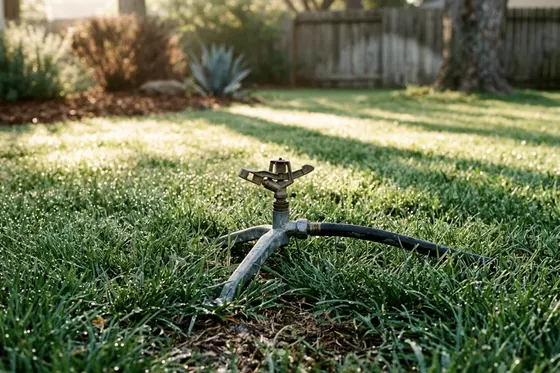
The best time to water a lawn is between 2 and 8 in the morning. Watering before the sun gets high keeps evaporation low and stops wind from blowing the spray away.
Early morning watering saves money
Sprinklers running in the afternoon heat lose heavy amounts of water to the air. The hot sun evaporates some of the droplets before they reach the dirt. Wind also picks up during the day and pushes your spray pattern onto the driveway.
UC IPM advises watering lawns early in the morning, when evaporation and wind are minimal, and only two to three times a week. Those early hours give the moisture time to soak into the ground instead of vanishing into the sky.
Evening schedules might seem like a smart way to avoid the sun, but late watering leaves the grass wet overnight.
UC IPM puts the best lawn watering window between 2 and 8 in the morning, since thatch and grass blades left wet on cool nights are prone to disease. Morning watering lets the grass blades dry as the sun comes up, and UC IPM says to avoid evening watering.
Finding out when the grass needs a drink
Visual clues show when the yard starts to dry out. Grass blades lose their bright green color and take on a bluish-gray cast. Footprints that stay in the turf are another sign the grass is low on water. These early signs suggest the lawn is running low on moisture.
Soil checks offer a more exact measurement than looking at the grass. UC IPM says most lawns need water once the top 2 inches of soil have dried out.
You can test this depth with a plain flathead screwdriver. The metal shaft pushes down into the dirt until it meets hard resistance. The tool pushes in easily through moist ground, and Clemson notes it is hard to push into very dry soil.
The metal blade shows exactly how far it went into the earth when it comes back out. Run the sprinklers once the top 2 inches are dry. The edge near the concrete sidewalk dries out much faster than the shaded patch under a large tree. You can also read about how often to water garden beds to manage the rest of your plants.
Matching water volume to your soil type
Sandy dirt drains rapidly and lets moisture fall straight through the root zone. Heavy clay absorbs water slowly. Your sprinkler run times must match the exact dirt in your yard to avoid wasting municipal water.
Clemson Extension says about half an inch of water on sandy soil, or 1 inch on heavy soil, moistens the soil 4 to 6 inches deep. A half inch goes deep fast in sand, while a full inch slowly works its way down into dense clay.
A handful of damp dirt from the yard gives a rough idea of your soil type. The dirt forms a solid ball in your hand and reacts when a thumb presses into it.
Sandy dirt crumbles apart immediately and falls to the ground. Clay soil holds its shape tightly and feels sticky to the touch. Loam falls somewhere in the middle.
Measuring your sprinkler output with empty cans
Every sprinkler head throws a different volume of water per minute. System pressure, pipe size and nozzle shape all change the final flow rate. Guessing the runtime can result in a swampy yard or dead brown patches. The controller needs accurate data on the actual output hitting the grass.
Empty tuna cans or other straight sided containers work for this measurement task. To measure sprinkler output, Clemson Extension sets out five to 10 straight sided containers, runs the system 15 minutes and multiplies the average depth by 4 to get inches per hour. This simple test costs nothing and gives you real numbers for your system.
Run the test on each irrigation zone.
- Five to 10 empty containers of the exact same size serve as the catch cups.
- The cans sit across one specific irrigation zone.
- The containers have straight sides.
- The zone runs for exactly 15 minutes.
- The water depth in each can is measured.
- The total depth divided by the amount of cans provides the average depth.
- The average depth multiplied by four reveals the hourly rate.
The final number tells you how many inches of water that specific zone puts down in one hour. You use this hourly rate to calculate the exact time needed to drop your target amount of water on the soil. The entire process must happen again for every distinct watering zone in the yard. Shady side yards often feature different nozzles than wide open front lawns.
Breaking up schedules to prevent surface runoff
Heavy clay soils and steep slopes refuse to absorb moisture quickly. Sprinklers often put down water faster than the ground can take it in. The excess spills over the curb and runs straight down the local storm drain. Preventing this runoff is a highly effective water conservation fix for your home.
A normal watering cycle exposes runoff problems early. Small puddles form or water starts flowing across the sidewalk after a certain number of minutes. That time limit becomes your maximum continuous runtime for that particular zone. The controller needs to stop the water before it reaches that breaking point.
Shorter watering cycles give the ground time to absorb the moisture. A heavy clay lawn that needs a full inch of water might require a long continuous run. The controller can run the zone multiple times for brief bursts if water runs off after a short period.
A rest period between each watering cycle can help with the runoff problem. The pause lets the first batch of water soak down into the root zone and opens up space for the next round. This cycle and soak method pushes moisture deep into heavy dirt with less water spilling onto the street.
Stretching the days between irrigation runs
Frequent and shallow watering trains grass roots to stay right near the surface. Shallow roots dry out fast and need constant topping up to survive the harsh summer heat. Deep and infrequent watering forces the roots to grow far down into the soil to find moisture. UC IPM advises watering only two to three times a week.
This spaced out schedule delivers enough moisture to keep the grass green. It also lets the top layer of dirt dry out completely between watering cycles. Before expanding your system, you can check the state rules on watering with graywater to find alternative sources.
The watering schedule requires adjustments as the local weather changes throughout the year. Cool spring mornings demand far less irrigation than blazing August afternoons. Steady rain falling on the neighborhood replaces the need for sprinklers entirely.
A simple rain gauge pushed into the dirt tells you exactly how much free water the yard received. That rainfall subtracts directly from your weekly watering goal.
Established turf goes dormant during extreme heat waves or long droughts. The grass turns brown and stops growing.
Clemson warns that encouraging a lawn to break dormancy and then not watering again can exhaust the plants and cause injury.
More to check around the house
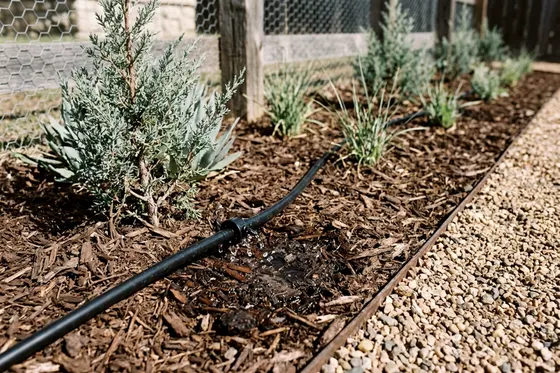
How to make a thirsty yard drought tolerant one bed at a time
Replacing one flower bed at a time to build drought tolerance saves water and can trim your monthly utility bill without digging up your entire yard.
7 minutes to read it all

How often to water garden beds, shrubs and new trees
Knowing exactly how often to water can save water and keep plants healthy. Learn the watering schedules for new trees, shrubs and garden beds by plant type.
6 minutes to read it all
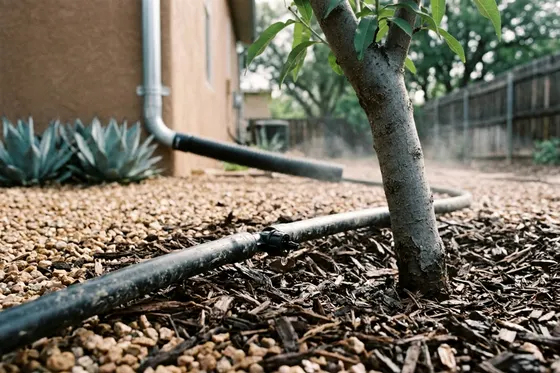
Can you water your yard with graywater where you live
A graywater irrigation system sends laundry water directly to your yard to reduce household water use. Learn the rules for California, Texas and Arizona.
6 minutes to read it all