Can you run drip irrigation from a rain barrel
Find out if you can run drip irrigation from a rain barrel using gravity alone, how high to lift the drum, and which emitters work at low pressure.
- Written and checked byCordelia Hudspeth
- 6 minutes to read it all
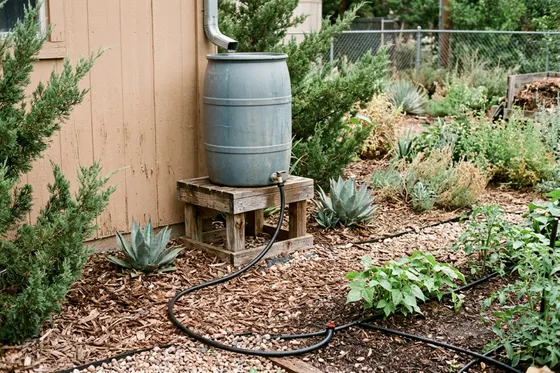
You can run drip irrigation from a rain barrel using just gravity, but the water will flow slowly. Standard drip irrigation systems are designed for much higher city water pressure.
A gravity setup requires raising the barrel and accepting that the emitters will release less water than their packaging states. Connecting your roof runoff to a drip line can save municipal water and may lower your utility bill. You just have to build the system to accommodate low pressure.
How high to raise the barrel for usable pressure
A standard city water line pushes out enough pressure for normal emitters to work. Normal drip parts need strong force to push water through small tubes. Gravity alone struggles to reach that number.
A 2011 study by New Mexico State University looked at low pressure drip systems. The researchers found that each 2.31 feet of water height above an emitter provides 1 psi of static pressure.
Static pressure is the pushing force created by the weight of the water itself. Raising a rain barrel just a short distance off the ground provides very little pressure. You need to lift the water significantly to see a reasonable drip.
The same NMSU study tested systems with the water surface held about 6 feet above the soil. That height gave the lines roughly 2.5 psi to push water out.
Lifting a barrel about 6 feet into the air is difficult for most homeowners. A shorter stand is easier to build. That lower height means your system will run on barely any pressure, so you must design the layout to work with a slow trickle.
Which emitters and tubing still work at low pressure
Pressure-compensating emitters are built to hold a steady flow across a wide pressure range, so check that any emitter you buy is meant for low pressure.
In NMSU's tests only drip tape, one drip tube and five point source emitters watered evenly enough at 2.5 psi, so look for parts made for low pressure.
Even the best parts will not perform to their factory ratings at low pressure. In NMSU's 2011 tests at about 2.5 psi, from water held about 6 feet above the soil, the seven emitters and lines that watered evenly enough to report delivered only about 25 to 59 percent of their rated flow.
The drip tape and the most uniform emitter in the 2011 NMSU tests delivered only about 39 and 34 percent of their rated flow at 2.5 psi.
A standard emitter might only drip a fraction of its intended volume on a rain barrel. If you plan a drip irrigation layout for gravity, expect watering to take much longer than with city pressure.
You also have to use tubing with a wide enough diameter to let water travel freely. Standard main tubing works well to carry water from the barrel to the garden bed. Thin spaghetti tubing causes too much friction over long distances. Keeping any thin lines as short as possible preserves the small amount of pressure you have.
Why a filter matters even with rainwater
Rainwater usually looks clean until it washes over a dirty roof. Leaves, shingle grit, twigs and dust end up inside the collection drum. These small particles can easily clog the tiny openings on drip tubing.
The 2011 NMSU study recommends a filter of about 150 mesh for drip emitters flowing 0.5 to 10 gallons per hour, whatever the water source.
A mesh rating tells you how many holes exist per linear inch of the screen. You install this filter directly on the barrel valve before the main supply tubing begins.
A clean mesh screen keeps the slow gravity water feed moving. Checking the filter housing regularly lets you rinse the screen off with a hose.
You might hook up a rain barrel with a primary screen on the top to catch big debris. That top screen prevents leaves from sinking to the bottom of the drum. A second fine filter on the drip line catches the fine silt that makes it through.
Low pressure systems lack the force to push dirt out of a clogged line. A gravity barrel simply stops dripping when a piece of grit gets stuck. Installing a proper filter saves you the frustration of tracking down blocked tubes in a large garden.
Keep runs short and test the flow at the far end
Gravity systems lose power quickly as the water travels through the tubing. The friction of the water rubbing against the plastic walls eats away at the static pressure. Keeping your main supply line as short as possible helps maintain the flow.
Plant beds located right next to the barrel have a better chance of receiving steady water. A single rain barrel works best when watering a small isolated garden bed. Stretching a main tube across a large yard leaves the plants at the end completely dry.
The emitters closest to the barrel drop most of the water before it can reach the back of the property.
You can test the flow by placing a small measuring cup under the very last emitter on the line. Turning the valve on lets you time how long it takes to collect an ounce of water.
This simple test tells you if the far end of the garden gets enough moisture before the barrel runs dry. If the last emitter produces no water, you have to shorten the total length of the tubing.
You can also group plants with similar water needs on the same barrel. Plants with low water needs suit a slow trickle better, while thirsty vegetable plants can empty a drum quickly.
Build a stand strong enough for a full barrel
Getting enough pressure means lifting the drum off the ground. The structure holding the drum must handle significant physical weight safely. Rutgers Cooperative Extension notes that a full 55-gallon rain barrel weighs about 460 pounds.
A weak stand can collapse and cause serious property damage or injury, so ask a qualified builder to check any raised stand.
Concrete cinder blocks stacked on a level base of gravel provide a sturdy foundation. You can build a broad base two blocks wide to keep the tower from tipping over. A single stack of blocks gets unstable if you stack it high.
Wood stands require thick posts and heavy bolts to support that much mass. Use heavy bolts or fasteners rated for the load, since a full barrel weighs about 460 pounds.
Thick timber legs with braced corners prevent the platform from swaying.
Your base needs a solid footing so it will not sink into soft mud after a heavy storm. Water splashing out of the overflow valve can turn the dirt under the stand into a puddle.
A sunken stand tilts the barrel and puts dangerous stress on the legs. Digging a shallow trench and packing it with crushed stone creates a firmer pad.
Use barrel water on vegetables with care
Using a storage barrel to water food crops requires a bit of caution. The EPA notes that rainwater flowing over a roof can pick up pollutants such as bacteria from birds and other animals, a concern for edible plantings.
A roof can also shed chemicals from roofing materials.
Drip lines help keep the dirty water off the leaves and fruit by delivering it straight to the dirt. Spray sprinklers throw contaminated water directly onto the parts of the plant you plan to eat.
Rutgers advises thoroughly cleaning any edible plants harvested with potable water before eating them.
Many homeowners prefer to use harvested rainwater on flowers and shrubs to avoid the risk entirely. Flowers and shrubs are not eaten, which sidesteps the food concern.
If you want to water garden beds, shrubs and new trees with runoff, a gravity drip system works well. You can save your clean municipal tap water for the tomato plants and root vegetables.
Cleaning the inside of the drum once a year also keeps debris and slime from building up. You can drain the remaining water at the end of the fall season and scrub the plastic walls with a long brush.
Rinsing the dirt out of the spigot and leaving the valve open lets the inside dry completely.
More to check around the house
What to look for in a garden water timer
A garden water timer automates your hoses and drip lines to save water and money. Find out how to choose the right zones and schedules for your yard.
7 minutes to read it all
6 steps to set up drip irrigation in raised garden beds
A watering system for raised garden beds cuts waste and keeps roots damp. Learn how to set up raised garden bed drip irrigation in six plain steps.
6 minutes to read it all
How to plan and lay out a drip irrigation system
Plan and lay out a drip irrigation system to save water and lower utility bills by delivering moisture right to the roots of your garden beds.
6 minutes to read it all