What counts as yard waste and where it can go
Find the right yard waste disposal method for leaves, grass, and branches, from curbside pickup to home composting, and learn what local drop off sites take.
- Written and checked byHazel Pruett
- 5 minutes to read it all
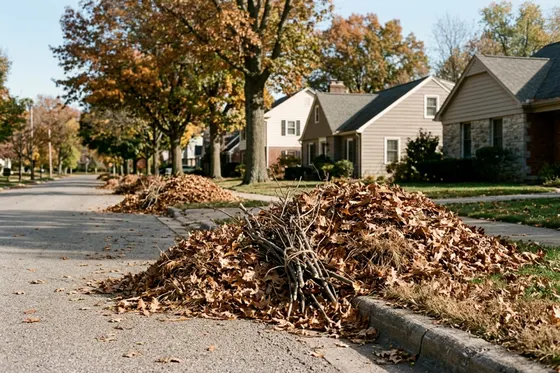
Yard waste includes grass clippings, fallen leaves, branches, and plant trimmings from regular yard upkeep. You can manage most of this material on your own property through grasscycling or composting. Thicker branches and large volumes of leaves often need curbside pickup or a drop-off site.
What counts as yard waste and what does not
Municipal guidelines generally group grass clippings, leaves, weeds, brush, and small branches together under the yard waste label. Some local facilities also accept garden plants, pine needles, and small roots. The goal is to collect organic plant material that breaks down naturally in a commercial composting facility.
Trash, plastic plant pots, treated lumber and animal waste generally do not count as yard waste, so ask your hauler where they go. Dirt, rocks and paving stones also stay out of the yard waste pile because they can damage processing equipment.
Treated wood and painted boards usually do not belong in yard waste because of the chemicals in them, so check with your local solid waste office. Shaking the excess soil off roots helps when you clean out a garden bed. Check your city or county rules to see exactly which plants and trimmings your local facility accepts.
Why many states keep yard waste out of landfills
Burying leaves and grass takes up heavy volume in local solid waste landfills. The EPA estimates Americans generated 35.4 million tons of yard trimmings in 2018. This material accounted for 12.1 percent of municipal solid waste that year.
About 10.5 million tons of yard trimmings went to landfills nationwide in 2018, according to EPA figures. During that same year, about 63 percent of yard trimmings were composted or mulched.
Many state governments regulate where these trimmings go. Delaware has banned yard waste from all its landfills since 2007. The Delaware ban covers grass clippings, leaves, brush, Christmas trees, and limbs up to four inches across.
Other states draw different lines, so check your own state's solid waste agency for its rule. Indiana bans yard waste such as leaves and brush from solid waste landfills, with some exceptions, and grass is exempt from the ban.
Grasscycling, the easy way to keep clippings out of the bin
Leaving grass clippings on the lawn means you do not need to bag and haul them. Delaware's environmental agency recommends grasscycling, which means cutting the lawn and leaving the clippings in place. That can save you the cost of yard bags and any pickup fees.
Grasscycling also spares you filling bags and carrying heavy wet grass to the curb.
The Delaware agency notes many mowers can take a mulching blade. This specific blade cuts the grass into smaller pieces that drop down to the soil surface. Check your mower's manual to see whether a mulching blade or kit fits it.
A mulching blade cuts the clippings into smaller pieces that settle into the lawn, which keeps them out of the bin.
Composting leaves and trimmings at home
You can break down dead leaves and plant stalks on your own property by setting up a dedicated bin or wire ring in a back corner. To handle the material yourself, learn how to start a compost pile to process yard trimmings. Delaware's environmental agency describes composting as turning plant material into a free, non-chemical fertilizer.
Curbside collection, paper bags and bundled branches
Cities and waste hauling companies often provide curbside collection for residential yard trimmings. Check your city or county rules to determine whether you need a dedicated municipal yard waste bin or specific paper yard bags. Delaware's environmental agency notes that many of its hauling companies offer seasonal yard waste collection and that bulk pickup may need scheduling and an extra fee.
Programs that require paper bags may reject plastic bags, so check what yours accepts. Tall heavy-duty paper bags hold their shape while you fill them with leaves. They can weaken if left out in the rain.
Wet leaves and damp grass can tear paper bags, so carry filled bags from the bottom.
Branches require a different approach for the curb. You usually have to cut small branches to a specific length and tie them into manageable bundles. Municipal rules dictate the maximum length, the total bundle diameter, and the allowable branch thickness.
Check your city or county solid waste website for exact dimensions before you start cutting brush. Tight bundles are easier for collection crews to lift.
Drop off sites and what they turn the waste into
Heavy loads of brush often need a trip to a municipal or commercial drop-off site. You load your truck or trailer, drive in, and unload your bags or loose brush in the area the staff point out.
Some sites ask for proof that you live in their service area, such as a driver's license or a utility bill.
Some sites ask you to take plastic bags and metal wire home with you. Facilities separate the soft green material from the hard woody material to process them differently.
Many sites turn the incoming yard waste into usable products. Leaves, grass and soft garden trimmings often become compost, and brush and thick limbs often become wood mulch.
Some facilities sell the finished mulch and compost to residents for use around their own homes.
Branches, stumps and Christmas trees
Thick branches and heavy logs exceed the limits for standard yard waste bags and regular curbside bundles. Large stumps also require specialized handling. Municipal facilities often cannot process solid blocks of dense wood alongside ordinary yard waste.
Check your city or county guidelines to find the right drop-off location or bulk pickup service for heavy wood. Some local sites accept logs up to a certain diameter but reject root balls entirely.
Natural Christmas trees fall under yard waste rules in many locations. Delaware bans them from all its landfills along with the rest of its yard waste.
Many municipalities run a dedicated collection window for natural trees, or designate specific drop-off locations where the trees go to be mulched. Local solid waste schedules list the exact collection dates, size limits, and rules about removing decorations.
More to check around the house

6 ways to dispose of old furniture without a junk hauler
Find six low-cost ways for furniture disposal without a junk hauler, from city bulk waste drop off to state mattress recycling and local donation routes.
5 minutes to read it all
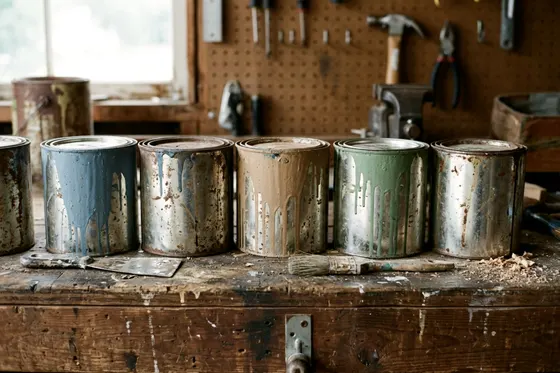
Before you go to a household hazardous waste facility
Find out what to take to a household hazardous waste facility or collection event and how to pack paints, cleaners and batteries safely.
6 minutes to read it all

Six habits that shrink what your household throws out
Learn six practical habits to reduce waste at home, lower your grocery bills, and send fewer heavy trash bags to the curb each week without extreme changes.
5 minutes to read it all