Before you go to a household hazardous waste facility
Find out what to take to a household hazardous waste facility or collection event and how to pack paints, cleaners and batteries safely.
- Written and checked byHazel Pruett
- 6 minutes to read it all
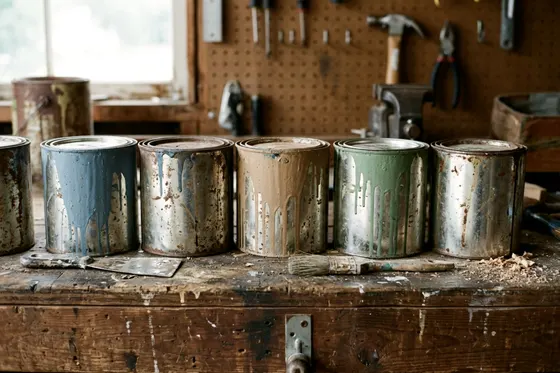
Leftover chemical cleaners, used motor oil and pesticides require a trip to a household hazardous waste facility. Gathering the products and driving them to a local drop off site takes some planning. This keeps harmful materials out of the soil and local water supply.
What counts as household hazardous waste
The EPA counts leftover household products that can catch fire, react, explode, corrode or are toxic as household hazardous waste, including paints, cleaners, oils, batteries and pesticides. The warning label on the back of the bottle or can is the quickest way to spot them.
Words like caution, warning, danger or poison on a label mean the product needs special handling. Typical examples include antifreeze, transmission fluid and brake fluid left over from car maintenance. Weed killers, insect sprays and chemical fertilizers from the garden shed count too.
Inside the house, you will find these products under the kitchen sink or in the laundry room. Drain unblockers, oven cleaners and oil based wood stains may belong at a dedicated disposal site, so read the label. Check the label on leftover pool chemicals and rodent poisons for disposal directions.
Why it should not go down the drain or out with the trash
The EPA warns against pouring household hazardous waste down drains, on the ground or into storm sewers, or in some cases putting it out with the regular trash. Pouring chemicals down the kitchen sink sends them into the municipal water treatment system. EPA says improper disposal can contaminate wastewater treatment systems.
If you live in a rural area, pouring chemicals down the sink can contaminate your septic tank, according to EPA. Chemicals poured into a street grate can reach local waterways.
Putting these liquids into your regular garbage bin can injure sanitation workers, according to EPA. Some products should never go out with the regular trash.
How to find a permanent site or a collection day near you
Household hazardous waste is excluded from federal hazardous waste rules under RCRA Subtitle C and is handled as solid waste, so state and local governments oversee its disposal, according to EPA. Look up the rules for your county or town on the website of your local public works or solid waste department.
Some counties operate a permanent household hazardous waste facility. Hours vary by site. You drive up to a dedicated bay, and workers unload the materials from your vehicle. Ask your local agency whether you need an appointment or proof of residency.
Smaller towns and rural counties may rely on collection days instead of permanent facilities. A household hazardous waste collection event takes place on a set day, and your local agency tells you where and when.
How to organize a cleanout before you drive
Set up a staging area in the driveway to inspect your bottles and cans. Check the dates and conditions of everything stored in the garage, basement and garden shed.
Separate the items you actually use from the ones that have degraded. Read the label for disposal directions on anything you no longer want. Put these ruined items directly into your transport boxes.
Sort the remaining useful supplies. If you have two half empty bottles of the same windshield washer fluid, you might be tempted to combine them. The EPA advises keeping these products in their original containers with the labels on and never mixing leftovers with other products. Mixing leftovers can cause an unexpected reaction.
Wipe dust and grease off the outside of the containers so the label stays readable for the sorting crew.
How to pack products so they ride safely in the car
The workers at the drop off site need to read the labels to sort the chemicals into the correct vats. If a label peels off, write the name of the product on a piece of masking tape and stick it to the bottle.
Liquid chemicals tip over easily when a car turns a corner or stops at a traffic light, so secure them before you drive.
- Place a thick plastic trash bag inside a heavy cardboard box to catch any accidental drips.
- Set all bottles, cans and jugs upright inside the lined box.
- Check every cap and lid to ensure they are screwed on tight.
- Wedge crumpled newspaper between the containers so they cannot slide around or clink together.
- Lift the packed boxes into the trunk of your car or the bed of your truck.
- Keep the boxes out of the passenger cabin to avoid breathing in chemical fumes.
Drive slowly and avoid sudden stops. Follow your local agency's packing and transport instructions.
Items that may need a different drop off
Some items require a different recycling path, so check what your local agency accepts. Batteries may have their own drop off locations, so check EPA's household battery guidance and your local agency.
EPA says some local garages may accept used motor oil for recycling, so call ahead before you drive over.
If you are clearing out an entire property, you will have to divide the loads. You handle the paints and cleaners at a collection event, while you might donate or sell old furniture to clear out the rest of the room. Yard clippings and soil also require a separate trip to a municipal compost facility once you determine where to put yard waste.
States with stricter trash bans
Rules for throwing away household items vary sharply depending on where you live. Check your state or local agency before you put any paint in the trash.
In California, CalRecycle lists all household batteries, latex paint and oil based paint among wastes banned from the trash, recycling and organics bins. In California, those items must stay out of the trash, recycling and organics bins, so take them to an official drop off site.
Before you throw any dried paint or alkaline batteries into your kitchen trash, look up your own state environmental agency website. Following your local regulations keeps these products out of the trash.
How to buy and store less of it next time
The cheapest way to handle household chemicals is to buy fewer of them. Measure your walls and use a paint calculator to buy exactly the number of gallons you need for a room.
When you tackle a minor repair, buy the smallest tube of specialty glue or solvent available. A small container means less left over to dispose of. If you overbuy materials for a home improvement project, ask neighbors if they can use the surplus while it is still fresh.
Instead of relying on heavy chemical fertilizers for your garden, you can start a compost pile to feed your soil. Switching to organic matter reduces the number of toxic bags stored in your shed. For indoor cleaning, a mixture of white vinegar and baking soda can handle light stovetop grime.
Keep the chemicals you do store in their original containers with the labels on, as EPA advises, and never in food containers.
More to check around the house

6 ways to dispose of old furniture without a junk hauler
Find six low-cost ways for furniture disposal without a junk hauler, from city bulk waste drop off to state mattress recycling and local donation routes.
5 minutes to read it all
What counts as yard waste and where it can go
Find the right yard waste disposal method for leaves, grass, and branches, from curbside pickup to home composting, and learn what local drop off sites take.
5 minutes to read it all

Six habits that shrink what your household throws out
Learn six practical habits to reduce waste at home, lower your grocery bills, and send fewer heavy trash bags to the curb each week without extreme changes.
5 minutes to read it all