Six habits that shrink what your household throws out
Learn six practical habits to reduce waste at home, lower your grocery bills, and send fewer heavy trash bags to the curb each week without extreme changes.
- Written and checked byHazel Pruett
- 5 minutes to read it all

Sending less trash to the curb can save you money on groceries and household goods while cutting down the mess in your kitchen. You can shrink your weekly garbage output by adjusting a few regular shopping and sorting routines. These six practical habits help a busy household cut back on heavy trash bags and thrown-away cash.
1. See what a typical household throws away
Food scraps, paper goods and plastic packaging make up much of what fills a home garbage can. The Environmental Protection Agency says Americans generated 4.9 pounds of municipal solid waste per person per day in 2018. That adds up quickly for a family.
Food forms a large part of that daily average, as the EPA says food made up 21.6 percent of US municipal solid waste generated in 2018. Spoiled groceries and plate scrapings add heavy moisture to the bin.
Paying attention to what fills your bags helps you spot where to cut back. You might find that food or packaging makes up much of your trash. Identifying the main materials gives you a clear starting point for changing your shopping and disposal habits.
2. Plan meals and use the food you buy
Throwing away uneaten food means throwing away the money you spent at the grocery store. Planning your meals for the week keeps excess perishables out of your cart. You buy only the ingredients you know you have time to cook. This habit can lower your grocery bill and help stop forgotten spinach from turning to slime in the crisper drawer.
Check your refrigerator and pantry shelves before you write a shopping list. Build your weekly menu around the items that will spoil first, turning properly stored leftovers into a soup or salad for the next evening. Storing food properly can also extend its useful life.
Some scraps are unavoidable even with careful planning. Coffee grounds, eggshells and vegetable peels do not have to go in the trash. You can start a compost pile in your backyard to turn those kitchen scraps into compost for your garden beds. Diverting that organic matter can keep your garbage can lighter.
3. Keep a reusable kit by the door
Forgetting reusable bags and cups forces you to accept disposable versions while running errands. Organizing a simple reusable kit removes the friction of trying to remember these items. You keep a sturdy canvas grocery bag, a travel mug and a water bottle in a spot you pass every day. The front hall closet, the bench by the back door or the passenger seat of your car works well for this.
Some coffee shops give a discount when you bring your own mug. A refillable water bottle can save you cash when you are thirsty away from home. These small savings can add up. You also keep paper cups and plastic bottles out of the waste stream.
Clean your items as soon as you get home so they are ready for the next trip. Put the clean mug right back into your canvas bag or leave it beside your keys. Building this routine helps you have what you need to skip single-use items.
4. Repair or pass on things before binning them
A torn shirt or a wobbly chair can end up in the trash. Taking time to mend clothes and glue loose furniture joints keeps useful goods in circulation. A basic sewing kit can fix lost buttons or split seams. Wood glue and a simple clamp can rescue a dining chair that would otherwise cost money to replace.
Items you no longer want still have value to other people, so consider taking clean clothing, functioning housewares and intact furniture to local thrift stores. Donating these items clears space in your closets and provides affordable goods to your community. Some charities may offer pickup for large items, so ask. You can also explore ways to dispose of old furniture without a junk hauler by listing pieces on neighborhood exchange boards.
Electronics and batteries often need special handling, so keep them out of the regular trash. Check with your municipal recycling center or local retailers about drop-off options. Taking an hour to figure out where to drop off old electronics keeps them out of the regular trash.
5. Buy less packaging and choose refills
Everyday products often come in layers of cardboard and plastic that you pay for at the register. Choosing items with minimal packaging reduces the volume of recycling and trash your household produces. You can buy loose apples and potatoes instead of those sealed in plastic bags. Skipping the plastic produce bags entirely saves even more thin film from the trash.
Bulk bins offer dry goods like rice, beans and oats without the branded cardboard boxes. You bring your own clean jars or cloth bags to the store and pay only for the food inside. Check the tare weight of your empty jar at the customer service desk before you fill it, and ask whether the store allows your own containers.
Many household cleaners and personal care products come in plastic jugs and bottles. Concentrated cleaner tablets are made to dissolve in water, and you can reuse a spray bottle you already own, so follow the label directions. Switching to bar soap instead of liquid body wash cuts out plastic bottles. These swaps can save cabinet space.
6. Track the can for a month to see the change
You need a clear measurement to know if your new habits actually reduce waste. Counting the number of tall kitchen bags you take outside each week gives you a simple metric. Write that number down on a notepad or a kitchen calendar for four weeks.
As you plan your meals and choose refillable goods, watch that weekly bag count drop. A visible drop in that count suggests your routines are working. It also highlights weeks where the count spikes, prompting you to figure out what went wrong.
Weighing your bags offers an even clearer picture of your progress. You can step on a bathroom scale holding the bag, then weigh yourself without it and subtract the difference. Dropping heavy wet garbage each week can mean a cleaner kitchen.
Set up sorting stations to make the habits stick
People may toss recyclables in the trash when the right bin is far away. Placing a recycling container directly next to your main garbage can make that less likely. You want the choice to be obvious and immediate. Use clear labels if different family members struggle to remember what materials go in which bin.
A small countertop bucket with a tight lid works best for gathering food scraps. You scrape plates straight into the bucket while washing dishes. You then carry that bucket out to the garden compost pile regularly. Keeping these sorting stations close to the action helps everyone in the house actually uses them.
More to check around the house

6 ways to dispose of old furniture without a junk hauler
Find six low-cost ways for furniture disposal without a junk hauler, from city bulk waste drop off to state mattress recycling and local donation routes.
5 minutes to read it all
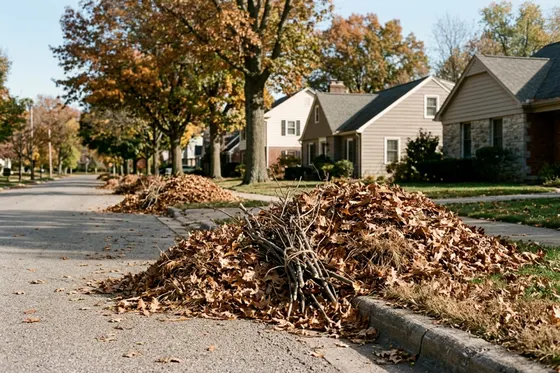
What counts as yard waste and where it can go
Find the right yard waste disposal method for leaves, grass, and branches, from curbside pickup to home composting, and learn what local drop off sites take.
5 minutes to read it all
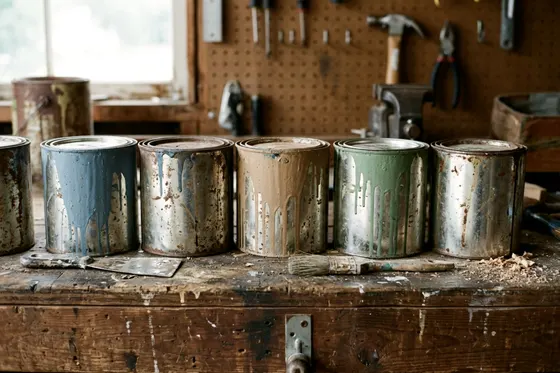
Before you go to a household hazardous waste facility
Find out what to take to a household hazardous waste facility or collection event and how to pack paints, cleaners and batteries safely.
6 minutes to read it all