5 places an outdoor spigot leaks and how to fix each one
Find exactly where your leaking garden spigot wastes water and fix the specific worn washer, loose nut or broken pipe causing the problem.
- Written and checked byHarlan Clevenger
- 6 minutes to read it all
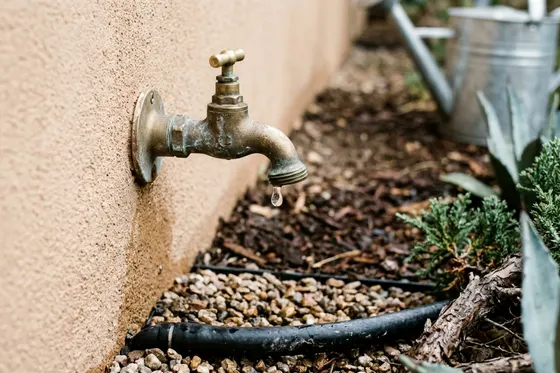
A leaking garden spigot outside your house can waste water and raise your utility bill. You can fix most drips for a few dollars with an adjustable wrench, a flathead screwdriver and replacement rubber washers. The repair always starts with finding the exact place the water escapes. Drying off the metal fixture completely with a rag helps you spot the actual source of the moisture.
1. A spout that drips with the handle closed
EPA WaterSense says a faucet dripping at one drip per second can waste more than 3,000 gallons a year. A steady garden faucet leak runs up your water bill all season long. You might also notice mud pooling against your foundation.
WaterSense notes that old and worn faucet washers and gaskets frequently cause faucet leaks, and the water line should be turned off before a repair. Find the interior shutoff valve in your basement or utility room and turn the water off. Open the outside spigot fully to drain the remaining water sitting in the pipe. Leave the outside valve open to prevent pressure buildup during the repair.
Remove the top screw holding the round handle in place and pull the metal handle off. Use an adjustable wrench to turn the large hex nut counterclockwise until it breaks free. If your spigot is the standard compression type, pull the valve stem out of the body, and check the maker's instructions for other types.
Unscrew the small brass screw at the bottom of the stem to remove the flat rubber washer. Press a matching new washer into the metal cup and tighten the brass screw. Reassemble the spigot pieces and turn the main water supply back on.
2. A garden hose leaking at the connection
If a garden hose leaks at the spigot while it runs, WaterSense advises replacing the nylon or rubber hose washer and making sure the connection is tight. A bad seal sprays water down the exterior wall every time you water the yard. A heavy leak turns your garden bed into a swamp.
Disconnect your garden hose from the metal spigot threads. Look inside the female metal fitting on the end of the hose. Pry the old flat washer out with a small flathead screwdriver.
Old rubber washers often harden and crack into pieces as you pull them free. Clean any built up dirt or mineral scale out of the metal threads with a stiff wire brush.
Press a new rubber washer firmly into the fitting until it sits flat against the base. Thread the hose back onto the spigot threads and turn the water on. Tighten the fitting until the water stops spraying. Avoid using heavy pliers to tighten the hose because they can damage thin brass fittings.
3. A packing nut that weeps around the handle
A water spigot leaking directly behind the handle often points to a loose packing nut. Water pushes past the rubber seal along the metal stem when you open the valve. This steady weep drips down the pipe and wastes water while the hose runs. The dripping water eventually rusts the screw holding the handle in place.
The packing nut sits just behind the handle and holds the stem material tight. You can often stop the leak with a gentle turn of an adjustable wrench. Place the wrench around the nut and turn it clockwise a quarter turn.
Turn the spigot handle on and check the metal stem for any fresh moisture. Tighten the nut another quarter turn if you still see water escaping. Over-tightening the nut makes the round handle too stiff to turn.
Older spigots sometimes need new packing material wrapped behind the metal nut. Turn off the main water supply and unscrew the packing nut completely off the threads. Wrap replacement packing material sold for your spigot model around the bare metal stem. Push the nut back over the graphite string and tighten the threads down securely.
4. A vacuum breaker cap that spits water
Many modern spigots include a round vacuum breaker resting on top of the spout. This safety device helps keep garden water from pulling back into your drinking supply. A broken internal plastic valve makes the cap spit water heavily while the hose runs.
You can fix a leaky garden faucet by replacing the small plastic parts under the cap. Pry the flat plastic cap off the top of the vacuum breaker with a thin screwdriver. Unscrew the plastic retaining ring holding the small plunger valve inside the brass body. You might need a pair of needle-nose pliers to grip the edges of the plastic ring.
Pull the old plastic plunger out and drop a matching replacement part into the hole. Thread the new retaining ring down tight and snap the cover back in place. You must buy the exact replacement parts for your specific brand of vacuum breaker. Hardware stores often sell rebuild kits for common spigot models.
5. A frost free spigot leaking inside the wall
Frost free spigots place the actual shutoff valve farther inside the wall, away from the cold. A long tube connects the handle outside to the valve inside. Leaving a garden hose attached during winter traps water inside this long metal tube. Freezing temperatures can crack the tube when trapped water turns to ice.
A cracked tube often leaks only when you turn the outside handle on in the spring. Water sprays inside the wall cavity or floods your basement ceiling directly above the foundation. Turn on the spigot and inspect your basement or crawlspace for dripping water. Unexplained moisture in your yard means you might also need to find a water leak underground with your water meter.
A cracked frost free tube usually means replacing the spigot, since a pipe hidden in a wall cavity is hard to patch. If the inside connection is hard to reach or looks soldered, call a licensed plumber.
If the connection is threaded, disconnect the old unit and pull it out through the wall. Slide the new frost free spigot in and secure the inside connection.
When to replace the entire spigot
Some old brass fixtures suffer too much internal damage for a simple washer repair. Hard water deposits can wear grooves into the brass seat where the rubber washer rests. A new rubber washer cannot seal against pitted and damaged metal surfaces.
Replace the spigot if the spout still drips after you fit new internal parts. It also belongs on the list of 8 water conservation fixes you can do at home.
Corroded exterior hose threads also demand a complete spigot replacement. Crossed metal threads ruin the tight seal required for heavy hoses and watering accessories. You cannot thread a standard vacuum breaker onto a spigot with damaged exterior threads.
Call a licensed plumber if the old spigot threads directly onto old galvanized steel pipe. Rusted iron pipes break easily when you apply heavy force with a large wrench. A broken iron pipe inside the wall creates a massive plumbing emergency.
More to check around the house

How to find a water leak underground with your meter
Learn how to find a water leak underground with your meter to save money on utility bills and stop yard damage before the problem requires major pipe repair.
7 minutes to read it all
8 water conservation fixes ranked by the gallons they save
Finding the best water conservation fixes means looking at the numbers. These eight household upgrades and repairs rank by the gallons they save each year.
5 minutes to read it all
Do water leak detectors earn their price
Find out if a water leak detection device pays for itself by catching drips early before they damage your home and run up your water bill.
6 minutes to read it all