Do water leak detectors earn their price
Find out if a water leak detection device pays for itself by catching drips early before they damage your home and run up your water bill.
- Written and checked byHarlan Clevenger
- 6 minutes to read it all
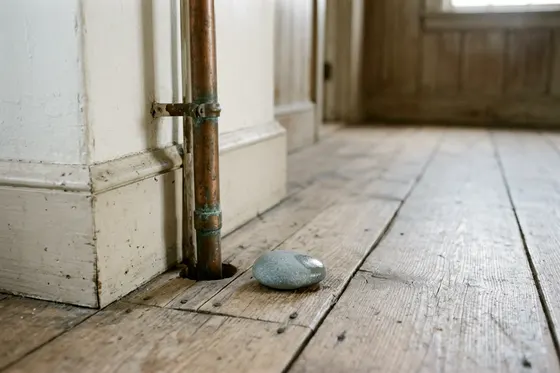
A water leak detection device may earn its price if it catches a failing pipe early. Homeowners buy these sensors to stop water damage before floors warp and drywall crumbles. They can also help flag slow drips you might not notice for months. You can start small with a cheap battery alarm or invest in a smart valve that cuts the water supply.
How much water a hidden leak wastes
A dripping pipe does more than rot the floorboards beneath it. Water can soak into drywall, cabinets and carpet. The EPA WaterSense program says the average household's leaks waste more than 9,300 gallons of water a year. That is water you pay for and never use.
Some houses lose far more water to bad plumbing. EPA WaterSense says nine percent of homes have leaks that waste 50 gallons or more per day. A leak of that size wastes water every day, so catching it early can lower your water bill.
A small sensor can alert you when moisture reaches it. You fix the loose connection before the daily loss adds up. You may also avoid water damage repairs.
Where leak sensors catch trouble first
You place a basic leak sensor flat on the floor in rooms where water flows. Many basic sensors have small metal probes on the bottom. Water touching those probes completes an electrical circuit and triggers the alarm. Follow the maker's instructions for placement, usually at the lowest point where a puddle will gather.
The best spots for a sensor sit right beneath your major appliances. You drop one in the metal drain pan under your water heater. Water heaters hold a large volume of water, and a sensor in the pan can warn you of moisture early.
Another good spot is behind your washing machine near the supply hoses. Washer hoses can wear out over the years. You place the sensor directly below the valve connections to catch a drip before it becomes a steady spray.
You can slide a third unit under your kitchen sink. This spot monitors the garbage disposal, the dishwasher connections and the main faucet supply lines. Sink cabinets hide slow leaks behind cleaning supplies and trash cans. Check that the alarm is loud enough to hear through a closed cabinet door.
Bathrooms also benefit from a device tucked behind the toilet. A sensor rests on the tile and monitors the supply valve coming out of the wall. You hear the noise and turn off the water before it seeps into the subfloor. You can place another unit under the bathroom vanity to watch the sink drain.
Battery alarms versus whole house shutoff valves
Shoppers choose between independent battery alarms and smart whole house systems. Battery sensors are usually inexpensive and simple to set up, as you put in batteries and lay the unit on the floor. Check the product's battery life and replace batteries as the maker directs.
Basic battery models just sound a loud siren. Some connected versions use your home Wi-Fi to push an alert to your phone if they get wet. They need a strong signal where you place them.
A whole house shutoff system costs more than a battery sensor and usually needs a licensed plumber to install. The installer fits a motorized valve on your main water supply line. Small wireless sensors sit around the house in the same danger zones as the battery models. You plug the main control hub into a standard wall outlet.
The smart valve acts on its own when a remote sensor detects a puddle. The control unit signals the valve to shut off the main water supply, which can limit the damage while you are away. You then fix the pipe and follow the maker's steps to restore the water.
What a leak sensor cannot see
A water leak detection device only works if moisture reaches the metal contacts on the floor. The sensor misses any leak that stays inside the plumbing system. A toilet leak can waste water without a single drop reaching the bathroom tile.
Dripping indoor faucets present another common issue that floor sensors ignore. A worn washer lets water drip straight out of the spout. You pay for the wasted water, but the cabinet underneath stays completely dry. Fixing a dripping faucet often takes only a few tools and inexpensive hardware, or you can call a plumber.
Outdoor plumbing is a blind spot for indoor alarms. A broken sprinkler line or a cracked hose bib soaks the yard out of range. You still need to rely on your utility gauge to find a water leak underground. A damp patch of grass or a sudden spike in your bill often gives the first clue of trouble.
Slow weeping joints inside a wall cavity go unnoticed until the drywall turns soft. A sensor on the floor outside the wall may detect nothing until water reaches it.
Free checks to run before buying a device
You can hunt down the most common household drips without spending money on electronics. Toilets are a common source of silent water waste, and a worn flapper inside the tank can let water seep into the bowl. Replacing a worn flapper often takes only inexpensive hardware.
You can spot a bad flapper with a simple test in the bathroom. EPA WaterSense describes a toilet dye test where food coloring in the tank shows in the bowl within 10 minutes if the toilet leaks. Flush right away afterward so the tank does not stain. If color shows in the bowl, the toilet is leaking and the flapper is a likely cause.
Your water meter can give you a whole house leak check. You turn off every faucet, shower and water-using appliance inside and outside the property. You then open the heavy metal lid on your water meter out by the street. You might need a damp cloth to wipe the dirt off the glass before reading the dial.
Some digital meters may need a button press or light to wake the screen, so check your utility's instructions. You write down the exact number on the display and wait two hours without running any water in the house. You check the meter again to see if the number increased.
A spinning dial or a changed number on the meter means you probably have a leak somewhere. You can implement several water conservation fixes once you locate the source. A meter that does not change is a good sign.
You also want to walk the perimeter of your house once a month. You check the outdoor spigots for drips and look for muddy spots in the lawn. Catching an outdoor leak early saves water. You then fix the broken pipe or replace the worn spigot washer before buying an indoor alarm.
When a device is worth the money
A simple battery alarm can make sense for many homes. You spend little to monitor the water heater pan or the washing machine hookup. The device can help limit damage to baseboards and flooring if a hose fails.
Smart systems with shutoff valves suit houses that sit empty during the day. The automatic valve stops a major flood while you are stuck at work. They also protect vacation properties where a broken pipe might run for a long time before anyone walks through the door. The upfront cost may pay off if it stops a major leak.
You might skip the expensive smart shutoff valve if you rarely leave home. A basic battery alarm can give you enough warning to walk over and close the valve yourself, at a lower price. You just need to know where your main water shutoff handle lives and clear the path to it.
Renters benefit mostly from basic battery sensors. A renter usually cannot have a plumber alter the building's plumbing. You can slide a cheap sensor under the kitchen sink and take it with you when you move out. The alarm can prompt you to call the landlord early.
You also weigh the age of your plumbing when deciding on a device. Older plumbing may be more likely to fail, so ask a licensed plumber what protection suits your home.
More to check around the house
5 places an outdoor spigot leaks and how to fix each one
Find exactly where your leaking garden spigot wastes water and fix the specific worn washer, loose nut or broken pipe causing the problem.
6 minutes to read it all

How to find a water leak underground with your meter
Learn how to find a water leak underground with your meter to save money on utility bills and stop yard damage before the problem requires major pipe repair.
7 minutes to read it all
8 water conservation fixes ranked by the gallons they save
Finding the best water conservation fixes means looking at the numbers. These eight household upgrades and repairs rank by the gallons they save each year.
5 minutes to read it all