How to water tomato plants without wasting a drop
Watering tomato plants deeply and less often saves water and builds deeper roots, with morning timing, mulch and drip irrigation to hold moisture.
- Written and checked byCordelia Hudspeth
- 7 minutes to read it all
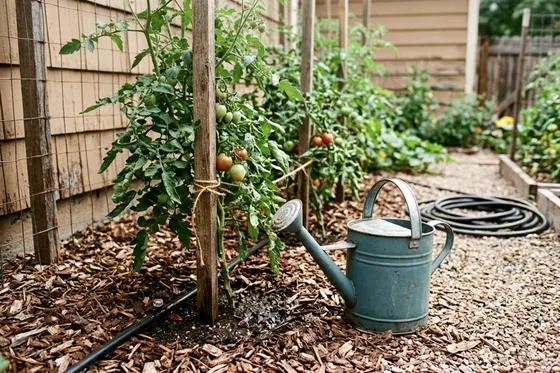
Watering tomato plants correctly can lower your water use and help roots grow deeper for a hot summer. You can stop wasting municipal water through rapid evaporation and poor absorption. The most effective method delivers moisture straight into the dirt near the stem while leaving the foliage dry.
Water tomatoes deeply and less often
A garden bed can use more municipal water than the crops need. You pay for the spray that lands on the path and the mist that blows away. A smart and careful watering habit cuts that waste.
Gardeners often spray the soil surface for a few minutes every single day. Purdue University warns that frequent shallow watering only moistens the upper layer of soil. Some of that moisture can evaporate before the plant drinks it.
Roots stay near the surface when the deeper dirt remains totally dry. Shallow roots dry out fast on a hot afternoon and force you to water again. You break this cycle by soaking the ground deeply and waiting several days.
You want the roots to grow deep into the ground looking for stored moisture. A deep root system finds cooler dirt and requires less frequent attention from a hose. Your tomatoes stay hydrated longer while consuming fewer total gallons of water.
Purdue says most garden plants need 1 to 1.5 inches of water per week. You can measure your delivery by setting an empty straight-sided can on the dirt and checking how deep the water gets.
You can figure out how often to water garden beds by watching the forecast. A good soaking rain can cover much of what your crops need for the week. You only turn the spigot on when the rain skips your neighborhood entirely.
Target the bare soil right at the plant base
Many people hold a hose and spray the entire garden bed from above. This method wastes money because water coats the leaves and evaporates into the wind. Wet foliage through the late evening can invite disease.
You save water and protect the crop by aiming a nozzle directly at the dirt. You want to place the moisture right above the main root ball. A slow and steady stream gives the ground time to absorb the liquid.
Watering the paths between your garden beds encourages weed seeds to sprout. Weeds take soil moisture the tomatoes need. A targeted approach keeps the walkways dry and starves out the unwanted plants.
You can buy a watering wand to reach under the lowest branches easily. A long handle stops you from bending over and helps you control the flow. You avoid splashing muddy water up onto the lowest and most delicate leaves.
You must check for runoff if your garden sits on a slope or heavy clay dirt. You might need to water in short bursts with a pause in between. This small break lets the liquid sink down instead of flowing away into the grass.
You can bury an unglazed clay pot next to a new tomato seedling. You fill the pot with water and place a heavy lid on top. The liquid seeps slowly through the porous clay directly into the surrounding soil.
Water in the morning
Timing matters just as much as the amount of liquid you apply. Midday heat pulls water right back out of the dirt before roots can drink. Watering at noon can mean using extra gallons to get the same result.
Purdue says morning watering reduces loss to evaporation, and early morning is usually cooler. The sun sits low and the air remains relatively cool and calm. Water sinks deep into the soil profile and prepares the plant for afternoon heat.
Evening applications seem smart until you consider how long the ground stays wet. Any stray drops on the leaves will remain there all night long. Leaves that stay damp overnight can invite fungal problems.
Morning watering also lets you inspect the crop for broken branches or ripe fruit. The plants get a full drink and dry off safely before sunset approaches.
You can set an automatic timer on your spigot to handle the early shifts. A simple dial timer opens the valve at dawn and closes it automatically. You might want to look for a garden water timer for the spigot.
A quiet morning watering session helps you catch hidden leaks near the house. You might spot a puddle forming near the foundation before you leave for work. You can quickly fix the connection and save money on your next water bill.
Cover the dirt with a thick mulch layer
Bare dirt dries out completely after a few hours of direct summer sun. You have to replace that lost moisture by turning the tap on again. A physical barrier stops the sun from hitting the ground and stealing your water.
You can cover the garden bed with straw or shredded autumn leaves. A thick layer blocks out the intense heat. The dirt stays cooler and holds its moisture longer.
Straw mulch breaks down slowly and adds valuable organic matter to the soil. You want to spread it carefully around the base of each thick stem. You leave a tiny gap right at the main trunk to prevent accidental rot.
Grass clippings can work if your lawn has not been treated with weed killer, so check the product label. You can dry the clippings in the sun for an afternoon before spreading them. A dry layer prevents the cut grass from matting down into a solid slimy sheet.
A thick mulch layer also stops heavy rain from washing away your topsoil. A sudden storm hits the straw layer and drips gently down to the roots. The thick barrier absorbs the impact and keeps your raised garden beds intact.
Shredded wood chips suit permanent garden pathways. Wood chips break down very slowly and easily support heavy boots and wheelbarrows. You want to keep fresh wood chips away from the actual tomato stems.
Check the moisture level with a finger test
Strict watering schedules often fail because the weather changes every single week. A mature plant uses far more water on a clear August afternoon. A cloudy spring day barely pulls any moisture from the newly covered ground.
You can measure the actual soil moisture using nothing but your hand. You push your index finger down into the dirt near the plant base. You want to reach down well below the top layer.
The ground feels cool and slightly damp when the roots have plenty to drink. You can skip the hose for another day and let the plants grow. Adding more liquid to saturated dirt can starve roots of oxygen.
Dry and crumbly dirt tells you the plant needs a heavy drink immediately. You might feel a hard crust that repels water on the first pass. You will need to apply water slowly to soften a crusty surface.
You learn how to read your specific soil type after a few tests. Sandy soil drains fast and requires you to turn the tap on more frequently. Heavy clay holds liquid for a long time and stays wet between storms.
A digital moisture meter offers a cheap alternative to getting your hands dirty. You push the metal probe into the ground and read the dial indicator. The simple gauge tells you if the deep dirt remains wet or dry.
Build a low drip system for the permanent bed
Hand watering consumes a lot of free time during the hot summer months. You can eliminate the daily chore by installing a simple plastic irrigation network. Purdue recommends drip or trickle irrigation because it deposits water low to the ground and keeps foliage dry.
A soaker hose provides a cheap and easy upgrade for a long row. This porous black rubber tube sweats liquid slowly along its entire length. You just weave the black hose back and forth between the plant stems.
A proper drip line works even better for widely spaced tomato plants. You punch small holes in the tubing directly beside each major stem. Small emitters drip liquid slowly into the dirt.
This precise delivery method cuts wasteful spray and blowing mist. You can plan and lay out a drip irrigation system with parts that mostly snap together, so check the maker's instructions.
You cover the black tubing with your straw mulch to hide it away. Mulch over the tubing also shields the plastic from direct sunlight. A covered system pushes every drop of municipal water down to the waiting roots.
You connect the main supply line directly to your outdoor water spigot. A backflow preventer helps keep garden water out of your house pipes, and many drip kits call for a pressure regulator, so follow the kit's instructions and your local plumbing code.
More to check around the house
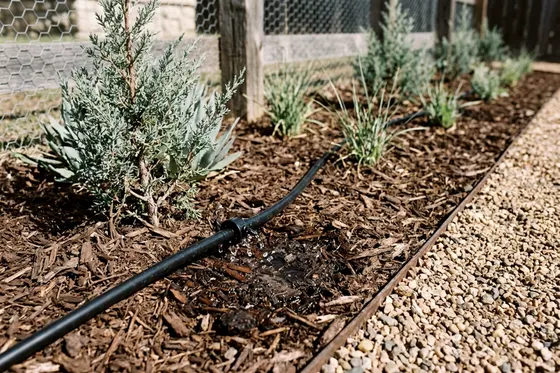
How to make a thirsty yard drought tolerant one bed at a time
Replacing one flower bed at a time to build drought tolerance saves water and can trim your monthly utility bill without digging up your entire yard.
7 minutes to read it all

How often to water garden beds, shrubs and new trees
Knowing exactly how often to water can save water and keep plants healthy. Learn the watering schedules for new trees, shrubs and garden beds by plant type.
6 minutes to read it all
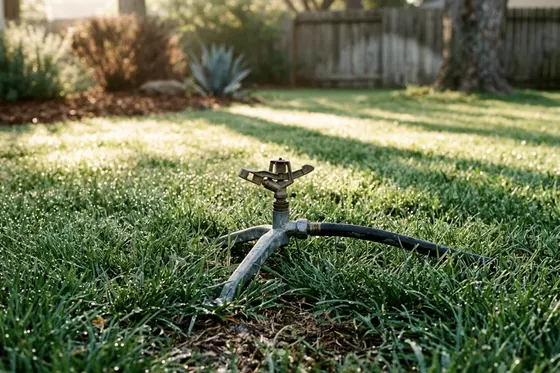
The best time to water your lawn and how long to run it
Find the best time to water lawn grass to lower your water bill. Learn how to test your soil, measure sprinkler output and set proper run times.
6 minutes to read it all