How big a rain barrel does your garden need
Estimate the size of a rain barrel for garden beds by measuring your roof drainage area and matching the water volume to your outdoor plants.
- Written and checked byCordelia Hudspeth
- 5 minutes to read it all
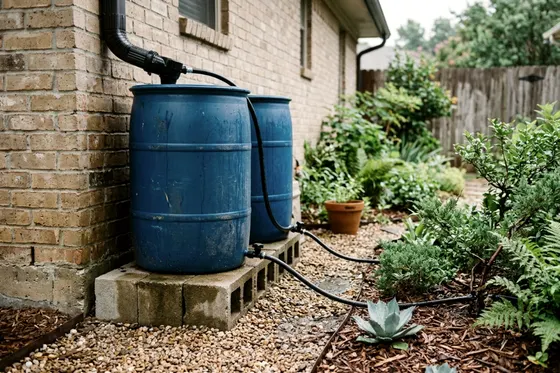
A standard rain barrel for garden use can fill during a single heavy downpour. You find the right size by calculating your roof area and matching the total water volume to the ornamental plants you actively water. Linking two or more barrels is one way to add storage.
Calculate the roof area draining to your downspout
You need the square footage of the roof section that empties into your chosen gutter. Measure the length and width of the house footprint directly under that roof space. Check the Nebraska Extension guide for how it defines roof collection area.
A house with multiple peaks divides the rain into different gutter runs. Pick the downspout closest to your planting beds and measure the ground area feeding into that specific gutter.
Multiply the length by the width in feet to find your total collection area in square feet. Intersecting roof lines create smaller sections that send water to specific corners of the house. Base your gallon estimate on the roof section connected to your chosen spout.
Convert an inch of rain into gallons collected
Nebraska Extension gives the formula roof collection area in square feet times rainfall in inches times 0.623 for gallons collected.
Take the square footage calculated for your roof section and multiply it by a one inch rain event. Multiply that result by 0.623 to find the total volume. Even a modest roof section can produce a lot of water in a storm.
The calculation estimates how many gallons come off the roof. A roof can produce more water than a single barrel holds.
Understanding this math helps you decide if you need a larger setup or a better overflow pipe. You plan the system based on what the roof provides and where the extra water goes once the container reaches the brim. Direct the overflow away from the house so water does not pool against it.
Size the barrel for the plants you water
Match your storage capacity to the ornamental beds you actively maintain. A big tank does you no good if you only water a few potted plants on the patio. Look at how much municipal water you spray onto your yard during dry spells and count the watering can trips you make each week.
If you frequently drag a hose around to keep flower beds damp, a larger container gives you the reserve you need. You want enough stored water to soak the soil around your shrubs between rain storms. A yard with extensive ornamental plantings may drain a full container quickly. You match the container capacity to the length of the dry spells in your specific climate.
Smaller yards do fine with a standard size that empties and refills often. You might hook up a rain barrel with a downspout diverter so any extra water flows safely away from the house once the tank is full. Check the diverter's instructions for how it handles a full barrel, and make sure the barrel has an overflow outlet that carries excess water away.
Base the final size on your own watering habits and the space next to the house. A garden that gets regular rain might not need much storage, while a dry region benefits from catching rare storms. Plan for the storage you will actually empty between rain events.
Linking barrels for more storage
Linking two or more barrels is one way to add storage when one large tank will not fit. The first container fills directly from the gutter and pushes water into the second one through a short connecting hose, and the last barrel in the chain still needs an overflow outlet.
You draw water from the spigot on the first container. This setup lets you add more capacity later if you expand your planting beds. You can link more containers along a fence line if you have the room.
You can easily hide narrow containers behind a tall shrub or a wooden trellis.
Connecting smaller containers gives you flexibility for maintenance. You disconnect them to clean the insides and check the rubber fittings. You build a system that grows with your garden layout instead of buying a massive tank upfront.
Give a heavy barrel the support it needs
Nebraska Extension says a full 55-gallon barrel weighs over 450 pounds and needs a level, sturdy platform. Soft dirt under that kind of load can sink, causing the container to lean or tip. A tipped full barrel is a hazard, so make sure the platform is level and sturdy.
Build a level, sturdy base that spreads the weight, and ask a contractor if you are unsure it will hold a full barrel. You dig out the soft topsoil and tamp the ground flat. The platform must sit perfectly level before you set the empty container on top. You build the base wide enough to support the entire bottom edge of the container so the plastic does not sag over time.
Raising the container off the ground creates necessary clearance for a watering can under the spigot. A spigot sitting at ground level forces you to use a shallow pan to catch the water. Adding a block platform lifts the valve up to a comfortable working height.
You might decide to run drip irrigation from a rain barrel, which relies on gravity to push water through the lines. Raising a barrel on a platform increases water pressure only slightly, so keep the platform stable and expect modest flow.
Save collected rain for ornamental plants
Roof water picks up dirt, bird droppings and loose debris as it washes across the shingles. The water also carries small particles of roofing material down the gutter. Nebraska Extension says barrel water should go on ornamental plants, not edibles, pets or direct body contact.
Use it on ornamental plants such as flowers and shrubs. Keep the hose away from vegetable gardens, herb containers and fruit bushes. Treat the collected rain as untreated runoff.
A tight lid with a fine mesh screen keeps mosquitoes and falling leaves out of the stored water. The screen may need a quick brush off after a storm so water keeps flowing into the tank. You check the lid tightens down securely so small animals cannot climb inside. You clean your gutters regularly so less debris washes down the spout.
Wash your hands after working with the hose or cleaning the screen, and keep the water away from pets and direct body contact. You use the collected water to make a thirsty yard drought tolerant one bed at a time and use less municipal water on it.
More to check around the house
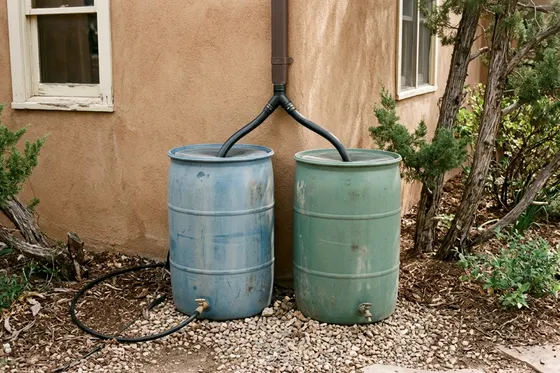
Rain barrel rules to check before you buy one
Before you start rain harvesting at home, read up on your state and local regulations to find out exactly what size and type of barrel is allowed.
5 minutes to read it all
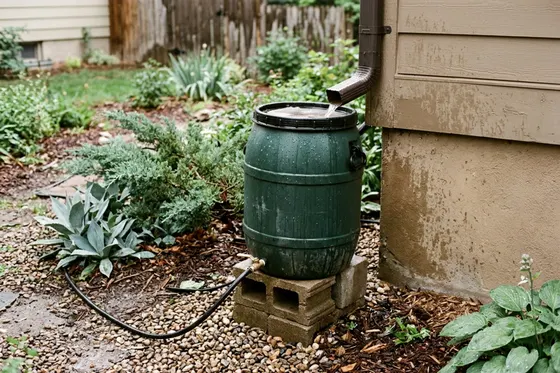
How to hook up a rain barrel with a downspout diverter
Hook up a rain barrel diverter to your downspout with these simple steps and start collecting free rainwater to water your garden through summer.
6 minutes to read it all
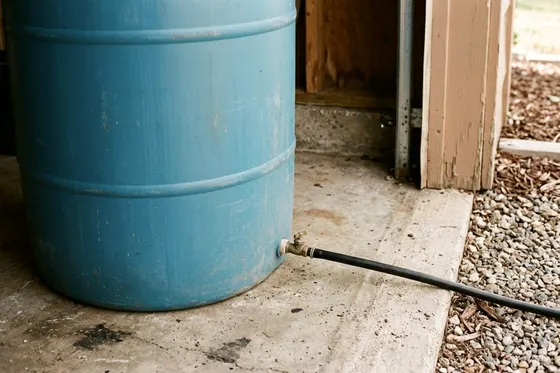
Build a DIY rain barrel from a food-grade drum in 7 steps
Build a DIY rain barrel from a food-grade drum to save water at home. Follow these seven simple steps to drill, seal and screen your homemade system.
7 minutes to read it all