Which energy efficient home improvements pay you back first
The best energy-efficient home improvements pay for themselves in lower utility bills, starting with basic air sealing, attic insulation and LED lighting.
- Written and checked byHarlan Clevenger
- 5 minutes to read it all
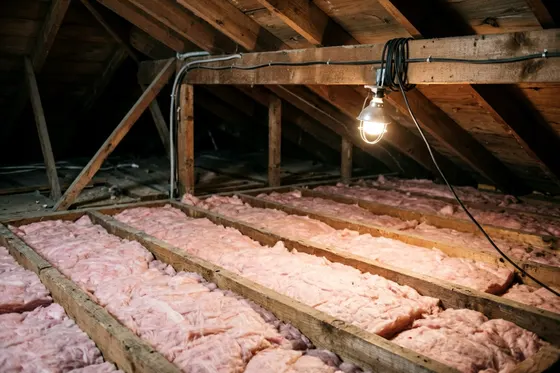
The most cost-effective home improvements tackle heating, cooling and lighting before replacing any major systems. Sealing drafts, adding attic insulation, switching high-use light bulbs, adding a smart thermostat and weatherstripping exterior doors often return money through lower utility bills sooner than full window or appliance upgrades.
Block the hidden air leaks first
Heated air rises through the house and escapes out the roof, and that pulls cold outdoor air in through the basement. Blocking the holes where air moves is usually the cheapest way to lower a heating bill. You need a few tubes of acrylic latex caulk, a can of expanding polyurethane foam and a weekend to crawl through the attic and basement.
In the attic, pull back the existing insulation to look for gaps around plumbing vent pipes, electrical boxes and recessed lighting canisters. Dirty insulation can point to an air leak because the fiberglass catches dust as household air flows through the gap. Fill small cracks with caulk and use expanding foam for larger holes around plumbing stacks.
Next check the rim joist in the basement or crawlspace, the board resting flat along the top of the foundation wall. Run a bead of caulk along the top and bottom edges of the joist to stop cold air from blowing in behind your walls. You can find more targeted spots to seal by seeing what a home energy assessment checks during a professional blower door test.
Add insulation where the attic is thin
Energy Star says sealing air leaks and adding insulation can save up to 10 percent on annual energy bills. Checking your attic takes a few minutes with a flashlight to look across the floor and check the wooden joists. If the joists show above the insulation, the house is losing heat.
Fiberglass batts are the easiest material for a homeowner to install without renting heavy equipment. Carry the rolls into the attic and unroll them perpendicular to the existing insulation layer. Pushing the batts tightly together across the top of the joists prevents thermal bridging, which happens when heat travels upward directly through the bare wood.
Check the label on recessed lighting fixtures for an insulation contact rating before covering them, and ask a licensed pro if you are unsure. You must also keep the roof eaves clear. Staple plastic baffles against the roof decking between the rafters before you lay the insulation. These baffles keep a clear channel for fresh air to flow from the soffit vents up to the roof ridge.
Swap the five most used bulbs for LEDs
Replacing every working bulb in the house is not needed. Focus on the light fixtures that run for hours each evening. Energy Star says replacing your five most used fixtures or bulbs with Energy Star lights saves about $40 a year.
Kitchen overhead lights, living room lamps and porch fixtures usually stay on the longest, so swap those for LED bulbs first. When shopping for LEDs, look at the lumen output rather than the wattage to gauge the brightness. A standard bulb packaging label shows the brightness in lumens and the color temperature in degrees Kelvin.
Match the color temperature to the room, using soft white bulbs to create a warm yellow light for living rooms and bedrooms. Daylight bulbs put out a bright blue-white light better suited for workshops, reading lamps or garages. If your fixtures run on a dimmer switch, check the packaging to confirm the new bulbs are dimmable. Standard LEDs often flicker or buzz on older dimmer circuits.
Install a smart thermostat if the house sits empty
A programmable thermostat saves the most when someone programs a schedule and leaves it alone. A smart thermostat connects to your home network and handles the schedule automatically. Energy Star says a smart thermostat can cut heating and cooling bills by more than 8 percent, about $50 a year on average.
These devices tend to help most in households where everyone leaves for work or school during the day. The thermostat uses motion sensors and geofencing linked to your phone to learn when the house is empty. It lets the temperature drop in winter or rise in summer while you are gone, then runs the equipment to reach your preferred temperature right before you walk through the door.
Check the wiring behind your current thermostat before buying a replacement. Many smart models need a common wire, so check the maker's instructions before you buy. If the wiring does not match, ask a licensed HVAC pro or electrician before you work on the furnace control board.
Weatherstrip doors and treat leaky windows
Fixing the drafts around your existing doors and windows is a lower-cost first step than a full window replacement. Start by inspecting the bottom sweep on your exterior doors. If you can see daylight under the door, unscrew the old sweep and cut a new rubber or vinyl replacement to fit.
Open the exterior doors and clean the door jambs. Apply self-adhesive foam weatherstripping along the inside edge where the door meets the frame. The foam compresses when the door latches to block cold air. On older windows, pry out any dried, cracking putty and replace the worn out V-seal weatherstripping on the sliding sashes.
Shrink-wrap window film kits offer a cheap way to block drafts on single-pane windows during winter. You apply double-sided tape around the window frame, press the clear plastic film into place and heat it with a hair dryer until it pulls tight. The trapped air between the film and the glass acts as a temporary layer of insulation. Peel the film off in spring to open the windows again.
Order the jobs by cost and payback in your own house
Every house needs a different approach based on its age, layout and current equipment. Building a priority list helps you spend your improvement budget where it lowers your utility bills fastest. Weigh the cost of materials against the hours of labor each job takes.
Tackle the cheapest materials first. Caulk, expanding foam, weatherstripping and LED bulbs cost very little. A weekend spent hunting down drafts and swapping out the primary lighting starts lowering your bills immediately. These low-cost projects are the cheapest place to start.
Move to medium purchases next, focusing on the things that use the most electricity and gas. A smart thermostat costs more up front but can often go in during an afternoon. Because it handles its own schedule, the device runs the schedule every day without extra effort on your part.
Save insulation for last among these quick wins. You can review how many kWh an average home uses to see if your heating and cooling costs remain high after air sealing. Adding insulation costs more in materials and requires heavier labor, but it can address a major source of heat loss.
More to check around the house

Is there still a federal tax credit for a heat pump
Find out if the Energy Efficient Home Improvement Credit for heat pump units still applies and learn about state rebates to cut your equipment costs.
5 minutes to read it all

What a heat pump needs to earn the Energy Star label
Learning the ratings for Energy Star certified heat pumps helps you compare contractor quotes and pick the right SEER2 and cold climate specifications.
6 minutes to read it all

How much Energy Star appliances save on power and water
New Energy Star certified appliances lower your utility bills, so learning what to look for on the label can cut what you spend over time.
5 minutes to read it all